Essential Practices for Perfect Welds
Achieving a smooth weld seam is crucial for both the aesthetics and strength of any welding project. It can be tricky, especially for those new to the craft. By focusing on key techniques and best practices, one can consistently produce high-quality results. This guide will cover essential tips and tricks, helping you enhance your welding skills.
Understanding Your Equipment
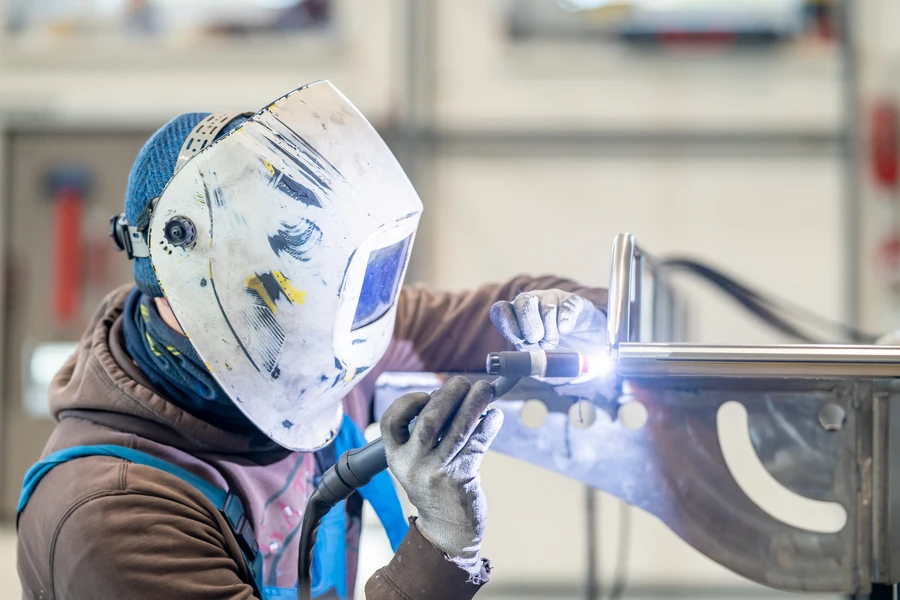
The first step to achieving smooth seams is understanding how your equipment works. Familiarize yourself with different parts like the nozzle, wire feed speed, and voltage settings. Each part plays a critical role in the final outcome. Regular maintenance ensures that your equipment functions optimally, preventing unexpected issues during welding.
The Importance of Material Preparation
Before starting a MIG welding project, it’s vital to prepare your materials adequately. Clean the metal surfaces to remove dirt, oil, or rust that might affect the weld quality. Use a grinder or brush to make the surface ready for welding. Proper preparation helps in creating even welds that are strong and visually appealing.
Selecting the Right Settings
Finding the right settings for MIG welding is key to achieving smooth seams. Adjusting the wire feed speed and voltage based on material thickness can significantly impact the weld’s appearance. Practice on scrap pieces to find optimal settings before working on your main project. This ensures consistent results throughout.
Maintaining Steady Hand Movement
Consistency in hand movement is another critical factor. A steady hand helps in maintaining a uniform bead along the seam. Move at a constant speed, avoiding sudden stops or changes in direction. Practicing this technique regularly improves overall control and precision during welding tasks.
Controlling Heat Input
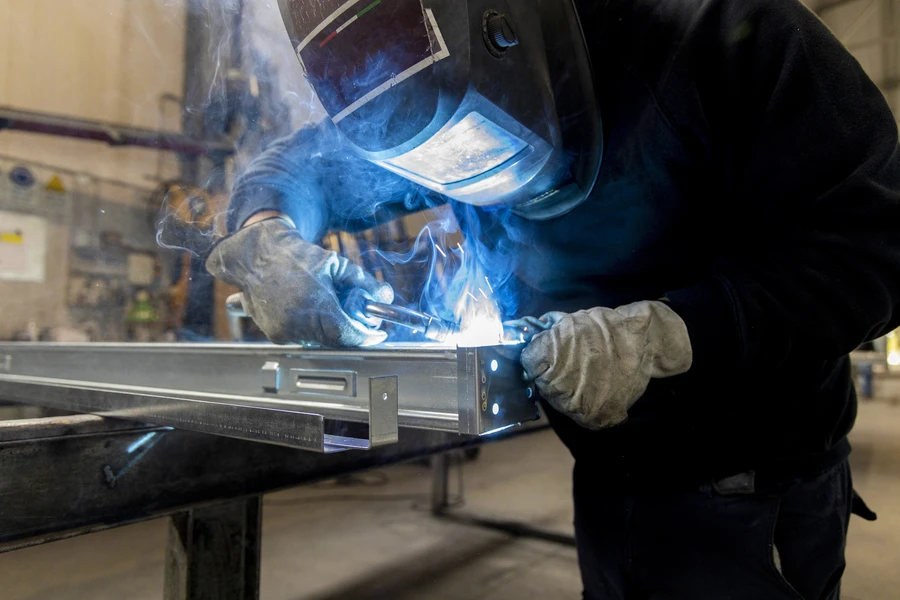
Managing heat input is essential for preventing warping or burn-through in thin materials. Too much heat can cause defects in the weld seam, while too little may result in poor fusion. Learn to adjust heat levels according to material type and thickness to produce clean and strong welds.
Using Quality Filler Materials
The choice of filler material impacts the final weld’s smoothness and durability. Always use high-quality wires compatible with your base material. Inferior wires can lead to rough finishes or weak joints, compromising structural integrity. Investing in good filler materials pays off in better outcomes and fewer reworks.
Practicing Safe Techniques
Safety should never be overlooked when working with welding equipment. Wear appropriate protective gear such as gloves, helmets, and eyewear to prevent injuries. Ensure proper ventilation in your workspace to avoid exposure to harmful fumes. Prioritizing safety not only protects you but also allows for more focused and efficient work.
Final Recommendations for Seam Perfection
If you’re aiming for perfect weld seams, practice these methods diligently. Focus on mastering each aspect, from equipment setup to hand movements and heat management. By doing so, you increase your chances of success in every project. Reach out at (978) 799-6485 if additional guidance is needed. Located in Leominster, MA, I am here to help refine your skills. At Onis Welding Services, we believe in empowering individuals through practical knowledge.