Understanding the Importance of Preheating in Metal Joining
When it comes to metalworking, ensuring a strong bond between pieces is crucial. One critical step often overlooked in this process is preheating. Preheating involves warming up the metal before welding to improve the quality and strength of the joint. This practice is particularly important for metals like aluminum due to its unique properties. By applying heat beforehand, welders can minimize issues such as cracking and distortion. Understanding how and why preheating works can significantly enhance your project’s outcome.
Benefits of Preheating Metal
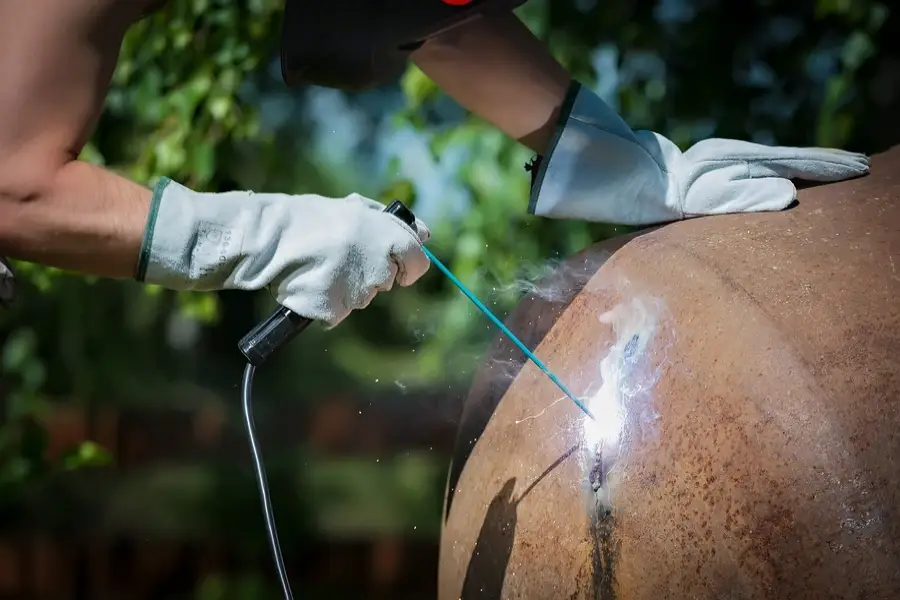
Preheating offers several advantages, especially when working with metals that have high thermal conductivity. These benefits include reducing the risk of cracking and enhancing weld penetration. For instance, in aluminum welding projects, preheating helps achieve a more uniform expansion and contraction of the metal, which reduces the chances of defects. Additionally, preheating can decrease the time required to complete welds by improving fluidity, allowing welders to work more efficiently and effectively.
Challenges Faced Without Proper Preheating
If you skip preheating during an aluminum welding project, several problems might arise. The most common issue is thermal shock, which occurs when cold metal meets intense heat too quickly. This can lead to immediate cracks or long-term structural weaknesses. Besides, without preheating, metal parts may not fuse correctly, leading to weak joints that compromise the project’s integrity. Addressing these challenges requires understanding the material’s characteristics and adjusting your approach accordingly.
Steps to Effective Preheating
To ensure effective preheating, follow these key steps:
- Determine the appropriate preheat temperature based on metal type and thickness.
- Use an infrared thermometer to monitor the metal’s temperature accurately.
- Apply consistent heat over the entire surface area to avoid uneven expansion.
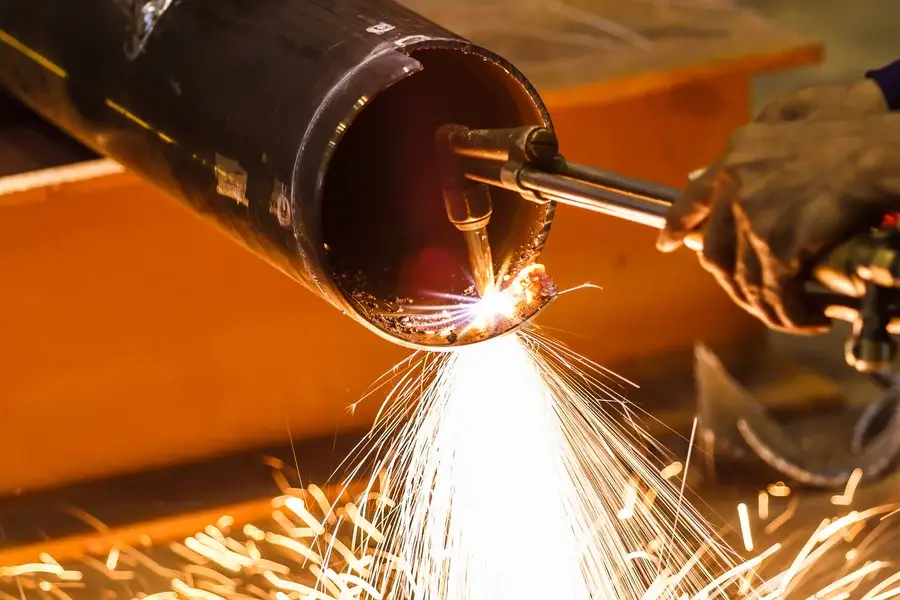
- Employ methods such as flame torches or induction heating, depending on project needs.
Best Practices for Metalworking Success
Adhering to industry best practices can greatly improve your project outcomes. Start by selecting the right tools for both preheating and welding processes. Ensure regular maintenance of equipment to avoid any unforeseen breakdowns. It’s also helpful to stay updated on new technologies and techniques within the industry. Experienced professionals recommend consistent training and adaptation of new skills to tackle emerging challenges effectively.
Meeting Industry Standards and Regulations
Compliance with industry standards is paramount in any welding project. Ensuring that your methods align with regulatory requirements not only guarantees safety but also enhances credibility. Research relevant guidelines and certifications specific to your field. For instance, familiarize yourself with American Welding Society (AWS) standards if you’re operating in the U.S., which provide detailed procedures for various welding types including those involving aluminum.
Cost Considerations in Metal Projects
Understanding cost implications is vital when planning any welding project. Factors influencing expenses include material costs, labor charges, and equipment investments. While it’s important to consider budget constraints, cutting corners on essential steps like preheating can lead to costly reworks or failures. Investing in quality materials and skilled labor from the outset ensures durability and reliability, offering a better return on investment in the long run.
Final Thoughts on Your Welding Project
The role of preheating cannot be overstated in achieving successful results in your projects. By incorporating thorough preparation and awareness of best practices, you can significantly enhance the quality of your welds. Reach out at (978) 799-6485 for further assistance with your projects. Based in Leominster, MA, I am here to support you every step of the way. Trust Onis Welding Services for all your metalworking needs.