Mastering Techniques for High-Quality Aluminum Joining
Welding aluminum requires precision and skill. Achieving clean and strong welds on aluminum surfaces is essential for the durability and aesthetic quality of the finished product. The process involves understanding the unique properties of aluminum, which differ significantly from those of steel or other common metals. Whether you’re a professional welder or a DIY enthusiast, learning the right techniques can make a significant difference in the outcomes of your welding projects.
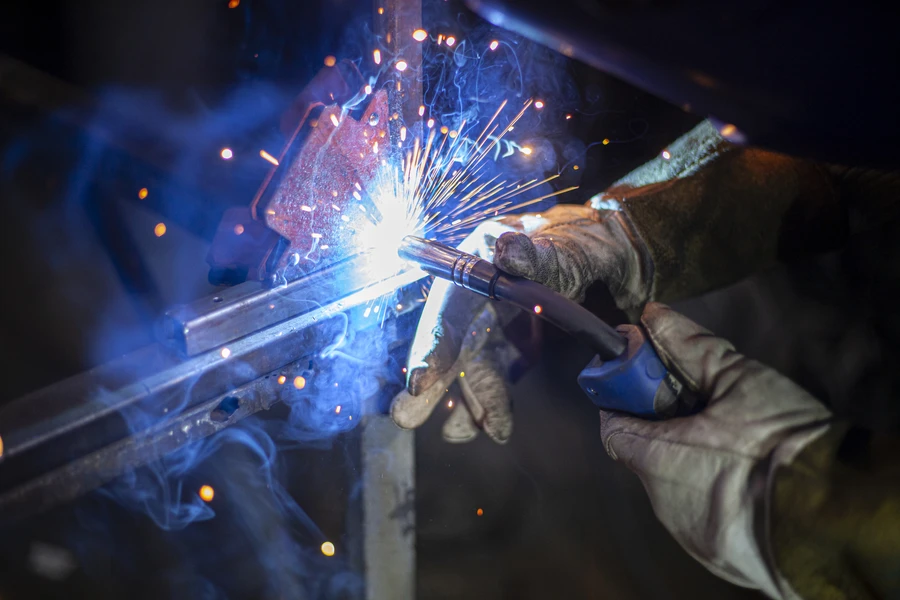
Understanding the Challenges With Aluminum Welding
Aluminum has high thermal conductivity and low melting point, making it challenging to weld. These characteristics mean that heat management is crucial during the welding process. Unlike steel, aluminum does not change color when heated, so you must rely on experience to judge the temperature. This makes achieving consistent results more difficult but not impossible with practice.
The Importance of Proper Preparation
One key to successful welding is proper surface preparation. Before starting any work, ensure that the aluminum surface is clean and free from contaminants like oil, dirt, and oxide layers. Contaminants can lead to weak welds and imperfections. Use a dedicated stainless steel brush to remove any oxide layer just before welding, as aluminum quickly forms oxides when exposed to air.
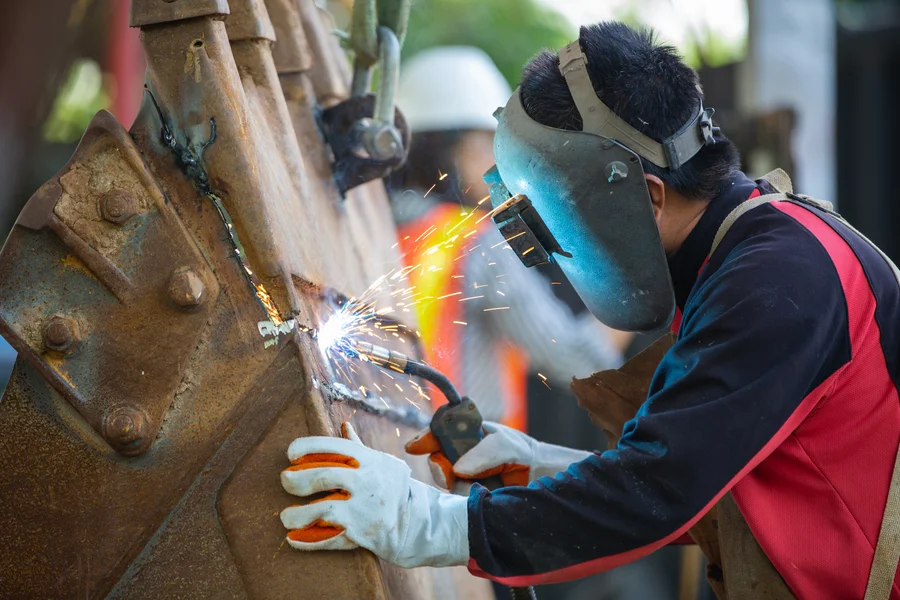
Selecting the Right Equipment for Successful Welding
The choice of equipment can greatly affect your success in aluminum welding. A TIG (Tungsten Inert Gas) welder is often recommended because it offers better control over the heat input compared to other methods. Make sure your welder has AC capabilities since alternating current is preferred for working with aluminum due to its ability to break up oxide films on the metal’s surface.
Appropriate Filler Material Selection
Selecting the right filler material is critical for achieving strong welds. The filler rod must match the base aluminum alloy as closely as possible to prevent cracking and maintain structural integrity. For general-purpose applications, 4043 and 5356 are common filler rods used in aluminum welding. They each have specific advantages; for instance, 4043 provides good fluidity and crack resistance.
Maintaining Heat Control While Welding
Controlling heat is crucial when working with aluminum. Because of its high thermal conductivity, maintaining a consistent temperature without overheating is essential. Use tack welds at intervals along the seam to keep pieces aligned and manage heat distribution. It’s also vital to avoid excessive travel speed, which can lead to poor fusion or incomplete penetration.
Practice Makes Perfect: Building Skills Over Time
Like most skills, becoming proficient in welding takes time and practice. Start by practicing on scrap pieces of aluminum to hone your technique before moving on to actual projects. Focus on controlling your torch angle, speed, and ensuring even heat application across your workpiece. Gradual improvement leads to achieving cleaner and stronger welds consistently.
Cost Considerations for Your Welding Projects
The costs associated with aluminum welding vary depending on several factors. These include materials, equipment depreciation, and utility usage. Investing in quality tools and materials might seem costly upfront but ensures long-term savings through durability and reduced rework needs.
Taking Your Welding to the Next Level
Achieving clean and strong welds on aluminum surfaces enhances both function and appearance. For expert guidance tailored to your needs, call (978) 799-6485 today. Based in Leominster, MA, I offer personalized solutions for all your metalworking requirements. Trust Onis Welding Services to provide unmatched quality and expertise in every project.