Improving Craftsmanship and Precision in Metal Work
In the world of metal fabrication, precision and quality are crucial. Achieving these standards often requires advanced techniques and skillful execution. One such method that stands out is tungsten inert gas (TIG) welding. This process offers unmatched finesse, allowing fabricators to create high-quality welds on a wide variety of metals. With its ability to produce clean and strong welds, this technique plays a pivotal role in enhancing the overall quality of metal fabrication.
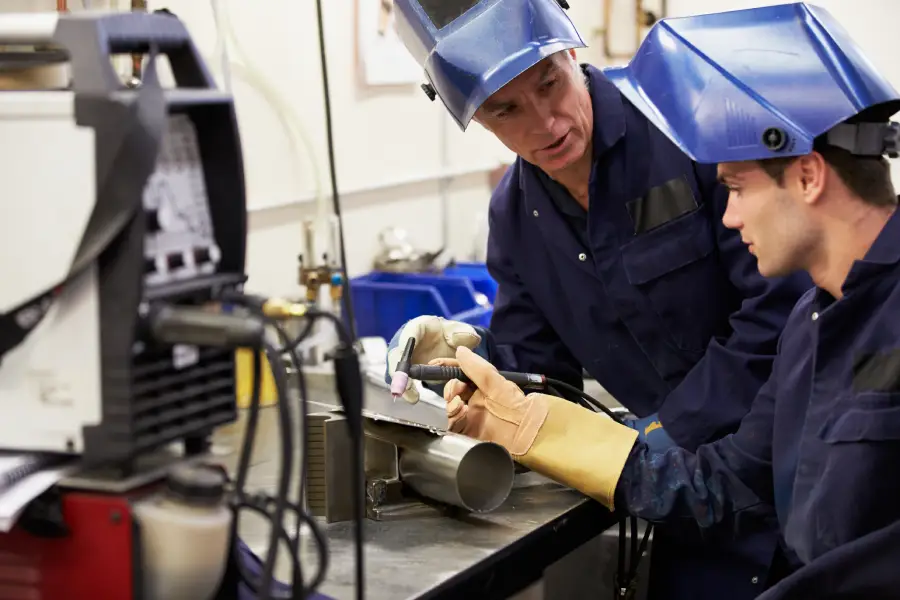
Precision and Control With Advanced Techniques
TIG welding is known for providing exceptional control to the welder. Unlike other welding methods, it uses a non-consumable tungsten electrode, which allows for precise heat input control. This precision helps prevent warping or distortion in the final product, ensuring tight tolerances and high-quality outputs. When you need exactness in your work, this method provides the consistent results that industries demand.
Versatility Across Various Metals
This technique excels in joining different types of metals. From stainless steel to aluminum, TIG welding handles them all proficiently. The adaptability makes it an ideal choice for projects requiring mixed-material applications. Whether you’re fabricating aerospace parts or delicate sculptures, this approach ensures compatibility and strength across various materials.
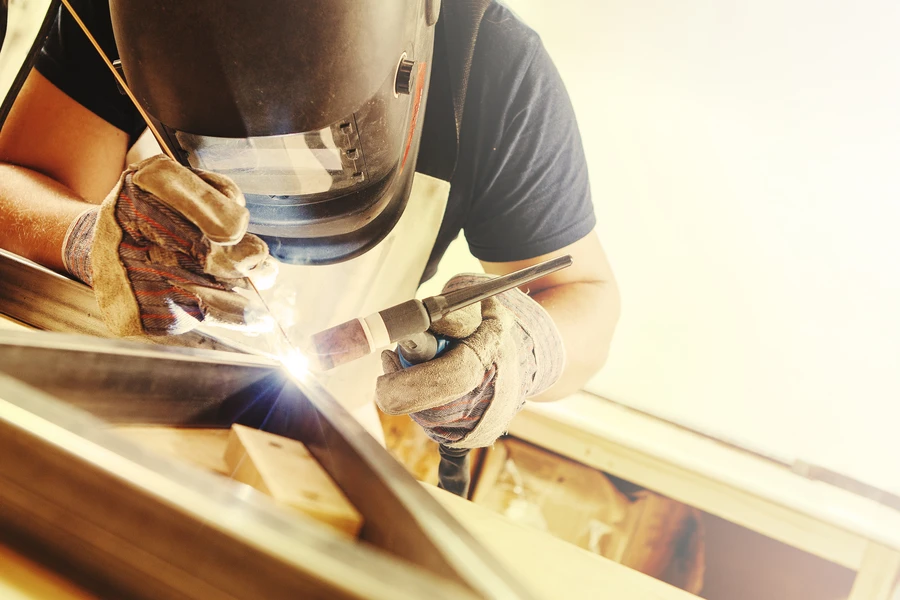
Creating Clean and Strong Welds
A major advantage of TIG welding is its capacity to produce aesthetically pleasing welds without slag or splatter. This results in fewer post-weld cleanup requirements, saving time and resources. Additionally, the strength of these welds ensures durability, making them suitable for structural components exposed to stress and pressure.
Challenges to Consider
While effective, TIG welding does pose some challenges. It requires a high level of skill and experience due to the intricate nature of the process. The learning curve can be steep, but investing time and effort into mastering this technique pays off with superior results. Moreover, the equipment setup needs careful consideration to achieve optimal outcomes.
Solutions for Overcoming Challenges
To tackle the challenges associated with TIG welding, several approaches prove beneficial:
- Undergo specialized training to gain expertise.
- Invest in high-quality equipment for better performance.
- Practice consistently to refine skills and improve efficiency.
Applying these strategies helps ensure successful implementation and elevates your metal fabrication capabilities.
Best Practices for Using Advanced Methods
Employing best practices enhances the effectiveness of TIG welding:
- Maintain clean working environments to avoid contamination.
- Use appropriate protective gear to ensure safety.
- Select proper filler material based on metal type being welded.
Following these guidelines not only boosts safety but also leads to higher-quality results.
Evaluating Cost Considerations
The initial cost of adopting TIG welding might be higher compared to other techniques due to equipment needs and training expenses. However, its long-term benefits outweigh initial investments through reduced errors and rework costs. By producing durable and aesthetically appealing welds, this method guarantees a good return on investment over time.
Your Partner in Metal Fabrication Excellence
If you aim to enhance your metal fabrication processes with precision techniques, get in touch at (978) 799-6485. Based in Leominster, MA, I offer tailored solutions to meet your unique needs. At Onis Welding Services, my commitment lies in delivering exceptional quality through advanced methods.