Understanding the Difficulties and Their Solutions
MIG welding is popular in many industries. It offers a quick and reliable way to join metals. However, it comes with its own set of challenges. These issues can affect the quality of the work if not addressed. By recognizing these common problems, you can improve your skills and achieve better results. Let’s dive into some typical issues faced during MIG welding and explore ways to overcome them.
Poor Wire Feeding
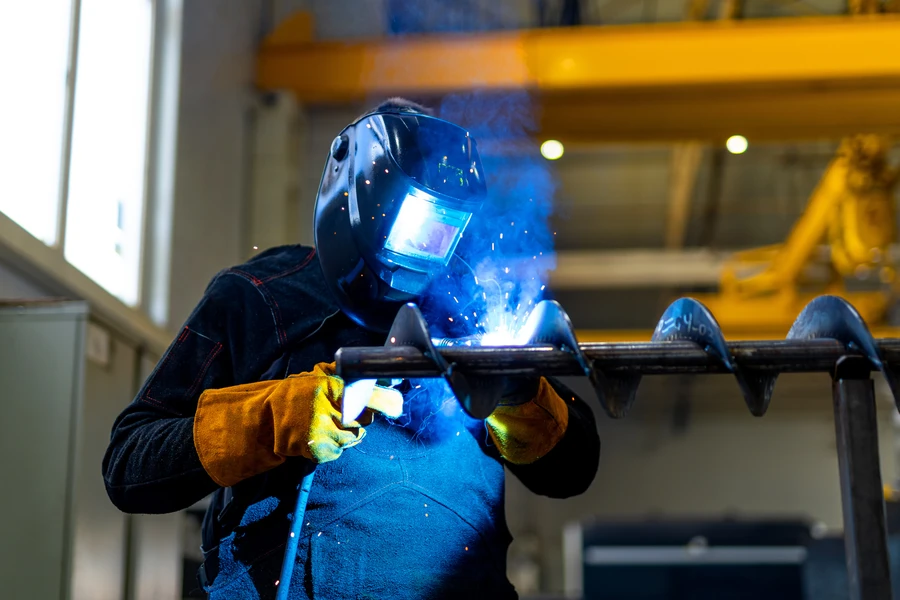
One major challenge involves wire feeding problems. The wire should feed smoothly for consistent welds. Issues arise when the wire kinks or jams. This leads to uneven welds and potential equipment damage. To solve this, ensure that the spool is properly aligned. Also, check that the drive rolls are clean and correctly tensioned. Keeping these components in good condition will help maintain a steady wire feed.
Inadequate Gas Coverage
Gas coverage is crucial for protecting the weld pool from contamination. Without proper shielding gas, the result can be porous welds filled with holes. This weakens the joint and makes it susceptible to corrosion. Ensure that your gas flow rate matches the requirements of your project. Check for leaks in hoses and connections regularly. Using the right type of gas for specific materials also enhances coverage.
Dealing With Spatter
Spatter happens when molten metal droplets land outside the weld area. This can make the job messy and require extra cleanup time. High spatter levels usually indicate incorrect settings on your machine. Adjusting voltage and amperage can minimize this issue. Properly cleaning the base material before welding also reduces spatter incidents.
Lack of Penetration
A common concern is achieving adequate penetration in the weld joint. Without deep penetration, the weld may look good but lack strength. Several factors contribute to this problem, such as low heat input or incorrect travel speed. Make sure that your settings match the thickness of the material being welded. Practice controlling your hand speed to ensure that the heat adequately penetrates both pieces of metal.
Essential Best Practices
- Maintain your equipment regularly to prevent malfunctions
- Practice on scrap metal to fine-tune settings
- Ensure proper safety gear is worn at all times
- Keep the workspace clean and organized
Cost Considerations in MIG Welding
Certain challenges in MIG welding can increase costs if not handled correctly. Poor workmanship might lead to rework, wasting materials and labor hours. Investing in quality training and maintaining equipment can save money over time. High-quality supplies might cost more upfront but offer better longevity and performance.
Choosing Quality Over Speed
Speed is important but should never compromise quality. Rushing through a job often results in errors like poor alignment or inadequate joins. Prioritize accuracy by setting realistic timelines for projects. This ensures each task receives proper attention without cutting corners.
Tips for Beginners
- Start with simple projects to build confidence
- Seek guidance from experienced welders
- Stay updated with industry standards and techniques
- Invest in quality tools designed for beginner use
Your Path to Successful Welding Projects
If you’re facing challenges with MIG welding, try implementing these tips today. Located in Leominster, MA, I bring years of experience to help improve your welding outcomes. At Onis Welding Services, we specialize in delivering top-notch solutions tailored to your needs. Call (978) 799-6485 now to discuss how I can assist you with your next project.